Introduction to Çbiri
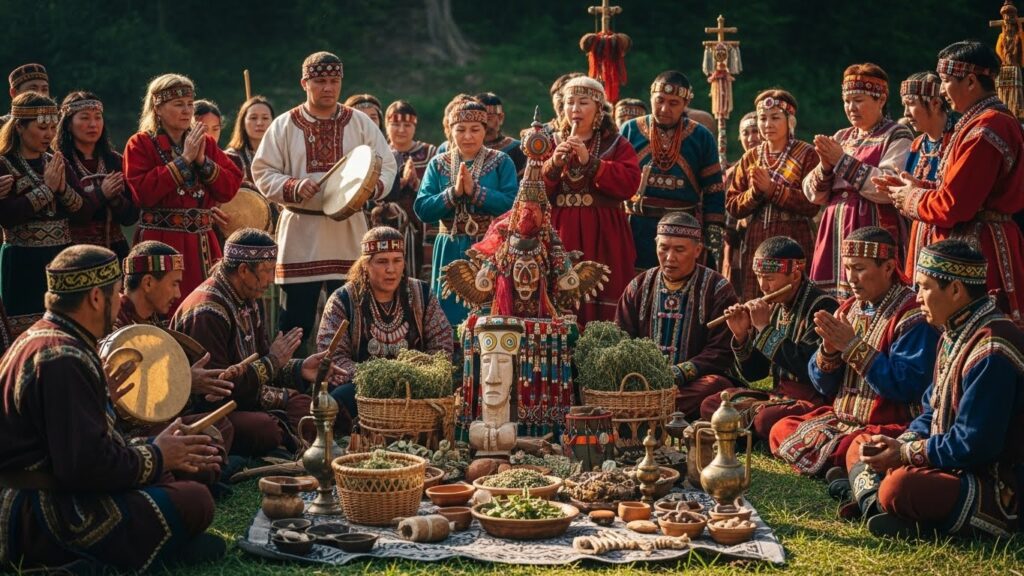
Çbiri is a cultural practice with deep roots in community traditions and folklore. It reflects the identity and shared values of the people who have preserved it over generations. Often passed down orally, çbiri carries elements of ritual, daily life practices, and symbolic meaning.
Understanding çbiri provides insight into how communities maintain their heritage and social cohesion. From its earliest forms, it has played a role in ceremonies, storytelling, and even daily routines, serving as a bridge between past and present.
Today, çbiri continues to influence cultural identity and modern practices. Communities and individuals who engage with it can experience a connection to history while finding personal or social value in its application.
These cultural elements help explain why Çbiri remains meaningful for communities and why it continues to connect tradition, identity, and modern life.
Historical and Cultural Origins
Çbiri has a rich history that dates back centuries. Its roots are closely tied to the cultural heritage of the regions where it first emerged. Communities developed çbiri as a way to preserve traditions and pass down knowledge, often through ceremonies and storytelling.
- Roots and Early History
The origins of çbiri are linked to early civilizations that valued communal rituals and oral traditions. Ancestors played a key role in shaping its practices, ensuring that cultural knowledge was preserved across generations. Ancient artifacts and writings indicate that these practices were central to local identity and social structure.
(Entities: ancestors, origin, early civilization) - Regional Variations
While the core principles of çbiri remain consistent, regional variations have emerged over time. Local customs, climate, and social norms influenced how each community adapted the practice. Some areas emphasize specific rituals, while others focus on symbolic storytelling or daily engagement.
(Entities: regional practices, local customs, cultural diversity)
These variations highlight the adaptability and resilience of çbiri, showing how it has maintained relevance while reflecting the diversity of the cultures it touches. Understanding these historical and regional differences provides a deeper appreciation for its ongoing significance.
Symbolism and Meaning
Çbiri carries layers of symbolism that convey cultural beliefs and values. Its visual and ritual elements often represent key aspects of community identity, connecting people to shared traditions. Symbols and metaphors in çbiri communicate stories, lessons, and social norms without words.
Artifacts, objects, and practices associated with çbiri often hold specific meanings. For example, certain gestures or ritual items may signify protection, prosperity, or respect for ancestors. Understanding these symbols helps participants engage meaningfully and respectfully.
- Common misconceptions about çbiri include the belief that it is purely ceremonial or outdated. In reality, it continues to play an active role in daily life and social interactions, bridging historical knowledge with modern practices.
(Entities: symbols, metaphors, representation, artifacts, visual culture, iconography, beliefs, traditions)
By exploring symbolism, participants gain insight into the cultural significance of çbiri, enhancing their appreciation for its historical depth and contemporary relevance.
Practical Applications of Çbiri
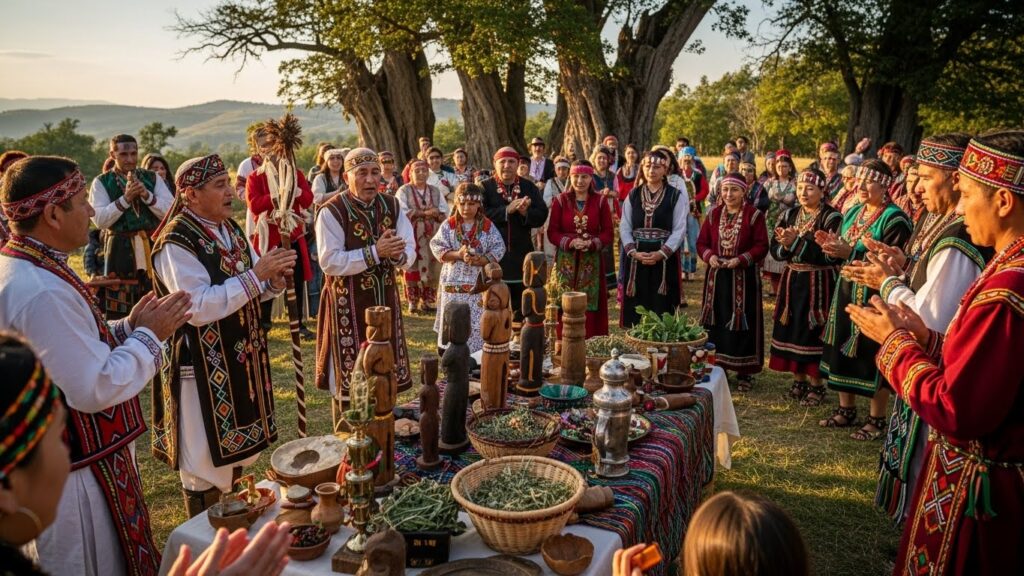
Çbiri is not only a cultural symbol but also a practice that can be applied in everyday life. Its engagement provides social, emotional, and cognitive benefits, helping individuals connect with their community and heritage.
- Step-by-Step Practice / Engagement
Engaging with çbiri can be approached in simple steps:
- Observe traditional rituals and storytelling practices within your community.
- Participate in group activities or ceremonies that involve çbiri.
- Learn and apply symbolic gestures or customs relevant to local traditions.
These steps allow individuals to experience çbiri meaningfully while respecting cultural norms.
(Entities: actions, steps, methods)
- Observe traditional rituals and storytelling practices within your community.
- Benefits and Impacts
Practicing çbiri can have multiple benefits:
- Social Impact: Strengthens community bonds and fosters collaboration.
- Emotional Benefit: Provides a sense of belonging and connection to heritage.
- Cognitive Skill: Enhances memory and understanding of cultural narratives.
(Entities: social impact, emotional benefit, cognitive skill)
- Social Impact: Strengthens community bonds and fosters collaboration.
- Modern Examples / Case Studies
Several communities continue to integrate çbiri in contemporary settings:
- Cultural festivals often showcase traditional rituals with educational sessions.
- Local schools and community centers may include çbiri storytelling to teach values and history.
- Families might pass down practices through home rituals, adapting them for daily life.
(Entities: case study, anecdote, scenario)
- Cultural festivals often showcase traditional rituals with educational sessions.
Through these applications, çbiri remains a living practice, connecting historical traditions with present-day activities and providing tangible benefits to those who engage with it.
Modern Relevance and Global Impact
Çbiri continues to hold significance in modern society, adapting to contemporary lifestyles and global awareness. Its practices have found new forms through social media, art, and community events, allowing wider audiences to engage with cultural traditions.
In contemporary culture, çbiri often appears in:
- Social media platforms where communities share rituals and storytelling.
- Art and literature that reinterpret traditional symbols for modern audiences.
- Lifestyle practices that incorporate symbolic gestures or daily rituals inspired by heritage.
The practice is not limited to its region of origin. Globalization has helped çbiri reach other countries where cultural enthusiasts and researchers study and appreciate its value. Comparative analysis shows that while similar practices exist in other cultures, çbiri’s unique combination of rituals, symbolism, and community engagement sets it apart.
(Entities: social media, contemporary culture, globalization, trends, art, lifestyle, awareness, modern practices)
Understanding its modern relevance helps participants and observers see how a historical tradition can remain meaningful, influencing both personal experiences and broader cultural awareness.
Expert Insights and Community Perspectives
Experts and community members provide valuable perspectives on çbiri, helping to interpret its meaning and ensure its continuity. Scholars often study the historical and cultural context, highlighting its significance in social cohesion and cultural identity.
- Researchers note that çbiri combines ritual, storytelling, and daily practices to create a comprehensive cultural experience.
- Practitioners emphasize the importance of observing traditional methods while allowing for contemporary adaptations.
- Community testimonials often reveal personal benefits, such as increased connection to heritage and strengthened relationships within local groups.
(Entities: scholars, practitioners, cultural authorities, interviews, studies, community, testimonials, research)
These insights not only add credibility but also help new participants understand the value of engaging with çbiri respectfully. By combining expert knowledge with lived experiences, readers gain a well-rounded view of both theoretical and practical aspects of the practice.
Cultural Etiquette and Guidelines
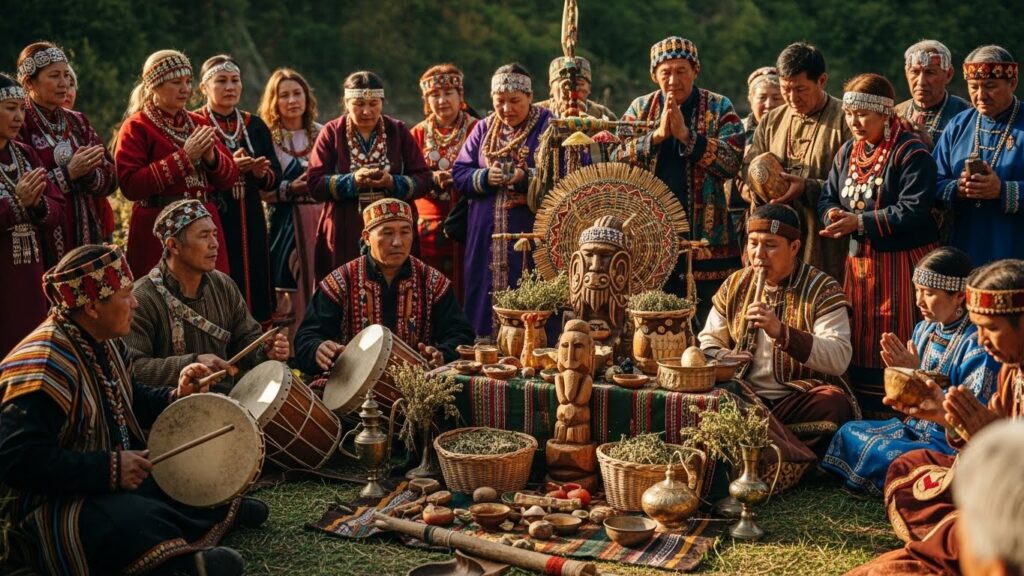
Engaging with çbiri requires respect and awareness of cultural norms. Observing proper etiquette ensures that participants honor traditions and avoid misunderstandings.
- Dos and Don’ts
- Participate actively but respectfully in ceremonies and rituals.
- Ask for guidance from community members when learning traditional practices.
- Avoid altering symbolic gestures or rituals without understanding their meaning.
- Show appreciation for the cultural heritage and context behind each practice.
- Participate actively but respectfully in ceremonies and rituals.
- Cultural Sensitivity
- Be aware of regional variations and local customs.
- Recognize that some practices may have spiritual or personal significance.
- Respect community boundaries and privacy during rituals or storytelling sessions.
- Be aware of regional variations and local customs.
(Entities: dos and don’ts, respect, etiquette, traditions, awareness, cultural sensitivity, guidelines, norms)
By following these guidelines, individuals can engage with çbiri meaningfully, fostering both personal enrichment and respectful cultural participation.
Resources and Further Learning
For those interested in exploring çbiri more deeply, there are several resources available. Books, online courses, and guides provide structured insights into its history, symbolism, and practices.
- Books and Guides: Offer detailed explanations of rituals, historical context, and cultural significance.
- Online Courses and Tutorials: Provide interactive learning opportunities for beginners and enthusiasts.
- Websites and Archives: Share articles, case studies, and community projects related to çbiri.
- Community Centers and Cultural Festivals: Offer hands-on experiences and workshops.
(Entities: books, online courses, websites, guides, tutorials, references, platforms, archives)
By utilizing these resources, learners can deepen their understanding of çbiri, engage with authentic practices, and connect with knowledgeable communities.
Frequently Asked Questions
How is çbiri practiced today?
Çbiri is practiced through community rituals, storytelling, and daily symbolic gestures. Modern adaptations include cultural festivals, educational programs, and online platforms that share practices respectfully.
What are the key differences between çbiri and similar practices?
While other cultural rituals may focus on single aspects like storytelling or ceremony, çbiri combines ritual, symbolism, and community engagement, making it a holistic cultural practice.
What benefits can participants gain from çbiri?
Participants often experience strengthened community bonds, emotional connection to heritage, and improved understanding of cultural narratives.
Is çbiri relevant outside its origin country?
Yes. Enthusiasts and researchers globally study and adapt çbiri practices, sharing knowledge through workshops, publications, and online communities.
(Entities: practice, differences, benefits, usage, application, relevance, guidance, misconceptions)
This FAQ addresses common user queries inspired by PAA and related searches, providing concise and informative answers.